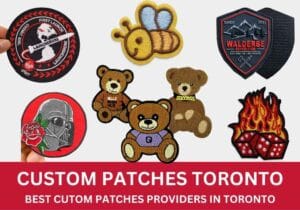
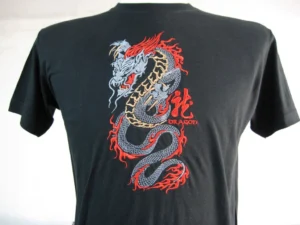
Custom patches are small pieces of fabric that display a design, logo, or name. They can be sewn, ironed, or stuck onto clothing, bags, or hats. People in the United States use custom patches for uniforms, teams, brands, and personal style. They are popular because they make items look unique and easy to identify.
How Custom Patches Work for Clothes and Bags
Custom patches work like mini artworks made of thread or printed fabric. You can attach them in different ways — by sewing, ironing, or using adhesive backs. For example, an iron-on patch has heat-activated glue. When pressed with a hot iron, it sticks to the fabric. A sew-on patch stays longer because it is stitched around the edges.
Many U.S. brands use patches on jackets, jeans, backpacks, and workwear. They give each item a personal or professional touch.
What to Know Before You Buy Custom Patches
Before you order custom patches, think about where you will use them. The fabric type, shape, and size matter. Cotton, denim, and canvas hold patches well. Stretchy or thin materials may not.
Also, check the backing type — iron-on, sew-on, or Velcro. Iron-on is fast but less permanent. Sew-on is long-lasting. Velcro is removable, good for uniforms or gear.
Choose the right one based on your purpose.
Common Uses for Custom Patches in the United States

Custom patches are widely used in the U.S. for:
- Military and police uniforms – to show rank or department
- Sports teams – for team logos and names
- Motorcycle clubs – for badges and club emblems
- Streetwear and fashion – for creative self-expression
- Workwear – to show company branding or job titles
They serve both practical and personal purposes, making them useful for many industries and communities.
Step-by-Step Guide to Designing Your Own Custom Patch
Designing a patch is simple if you plan it step by step:
- Choose your idea or logo. Keep it clear and bold.
- Select the shape. Circles, rectangles, or custom outlines.
- Pick your colors. Bright colors stand out more.
- Add text if needed. Use simple, readable fonts.
- Decide on size. Small patches suit hats; large ones suit jackets.
- Choose the backing. Iron-on, sew-on, or Velcro.
Once your design is ready, most U.S. suppliers will send a digital preview before production.
How to Choose the Right Size and Shape for Custom Patches
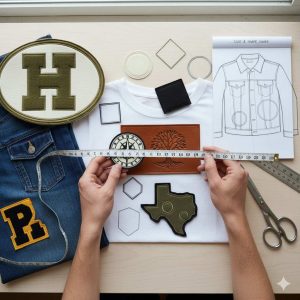
The right size depends on where you’ll place the patch.
- For sleeves or hats: 2–3 inches is ideal.
- For jackets or back panels: 8–12 inches works well.
Shapes also affect design. Round patches fit simple logos. Rectangular ones fit text. Custom shapes can match brand symbols, like wings or shields. Always check that the size fits the space on your garment before ordering.
Best Materials for Making Custom Patches That Last
Durability depends on the fabric and stitching.
- Twill: Strong and good for embroidery.
- Felt: Soft but less weather-resistant.
- PVC: Waterproof and good for outdoor use.
- Chenille: Fuzzy, often used in varsity jackets.
Most U.S. patch makers offer twill or embroidered patches for daily wear because they stay neat after washing.
Easy Design Tips for First-Time Custom Patch Makers
If it’s your first patch design, keep it simple. Too many details can blur when stitched.
- Use 2–3 colors only.
- Avoid small text.
- Focus on bold lines.
- Check your design at actual size before printing.
Simple designs are easier to read and cheaper to produce.
How to Attach Custom Patches Without Sewing
If you don’t want to sew, you can use:
- Iron-on backing: Heat and pressure make it stick.
- Adhesive backing: Peel and stick, best for light fabrics.
- Fabric glue: A quick fix for one-time use.
Lay the patch flat, press firmly, and let it cool. Always test on a small fabric area first to avoid damage.
Simple Ways to Clean and Care for Custom Patches
Wash clothes with patches gently. Turn them inside out and use cold water. Avoid bleach and harsh chemicals.
If the patch starts to peel, press it again with an iron or stitch the edges. For PVC or chenille patches, hand wash only.
Proper care helps patches stay bright and firm for years.
Are Iron-On Custom Patches Durable Over Time
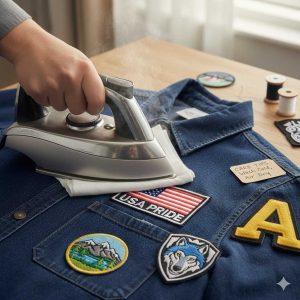
ron-on patches are easy to use but can loosen after many washes. Heat and humidity affect the glue.
To make them last longer, iron them again after a few washes or add a few stitches around the border.
For long-term wear, sew-on patches remain the best choice.
Custom Patches vs. Embroidered Patches: What’s the Difference
Custom patches can be made using embroidery, printing, or PVC molding.
- Embroidered patches use thread to create a textured look.
- Printed patches show more detail and color shades.
- PVC patches have a soft rubber feel and are waterproof.
Choose embroidered if you want a classic look, or PVC if you need durability outdoors.
Why Custom Patches Are Popular in Streetwear and Uniforms
In streetwear, patches show identity and style. Many U.S. streetwear brands add patches to hoodies, jeans, and varsity jackets.
In uniforms, they show authority and role — like “Fire Dept” or “Security.”
Patches mix fashion and function, which is why they remain a trend in both fashion and workwear.
How Businesses in the U.S. Use Custom Patches for Branding
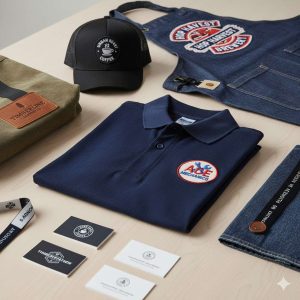
Small and large U.S. companies use custom patches as branding tools. A patch on a work shirt or bag keeps the brand visible and professional.
Some brands also sell custom patches as merchandise or give them as freebies at events. It helps with recognition and customer loyalty.
Where to Get Custom Patches Made in the United States
There are many custom patch makers across the U.S. that offer local production and fast delivery.
You can find suppliers online that allow you to upload your design, choose materials, and get a quote instantly.
Look for U.S.-based companies that use durable fabrics and offer sample previews before final printing.
Faqs
1. What are custom patches used for?
Custom patches are used for uniforms, jackets, hats, and bags. In the U.S., people use them to show logos, names, or creative designs for teams, brands, or personal style.
2. What’s the difference between custom and embroidered patches?
Custom patches can be embroidered, printed, or made of PVC. Embroidered patches use thread to create texture, while printed ones show more color detail. Both are types of custom patches.
3. Are iron-on custom patches long-lasting?
Iron-on patches can last a long time with proper care, but sewing makes them more secure. For heavy or outdoor fabrics, it’s better to stitch the edges after ironing.
4. How can I design my own custom patch?
You can design a custom patch by choosing a shape, color, logo, and backing type. Many U.S. patch makers let you upload your design online and preview it before production.
5. Where can I get custom patches made in the United States?
Many online and local U.S. companies make custom patches. Look for suppliers that offer free digital proofs, fast shipping, and material options like twill, PVC, or chenille.